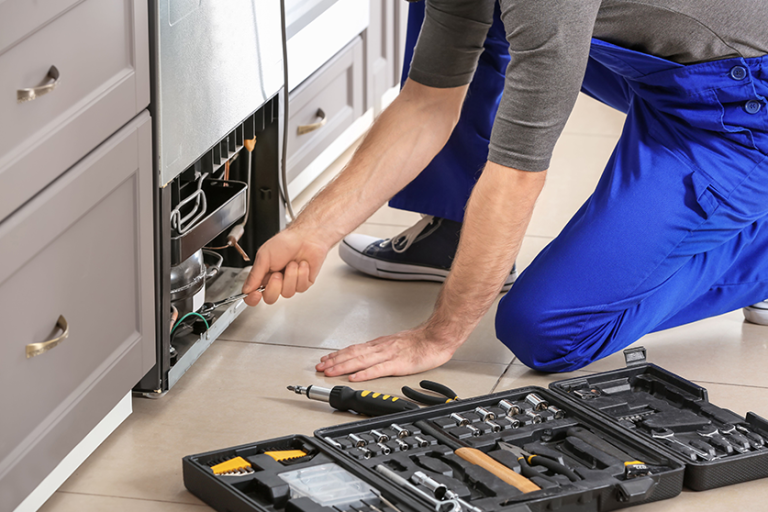
Small habits keep your stove running well and save you from surprise repair bills. Heat, grease, moisture, and crumbs slowly wear parts down. Over time, these stressors cause weak flames, slow heating, or no heat at all. The good news: you can prevent most of that with simple care, a few tools, and a calm eye. This guide gives you simple steps, what to watch for, and why each step works. You’ll learn basic part names, safe cleaning, and quick checks you can do in minutes. Use these tips to keep heat steady, bills lower, and stress out of the kitchen.
Know Your Stove Parts
A little part of knowledge helps you spot issues early.
- Gas basics: burners, caps, and orifices meter fuel; an igniter or pilot lights the flame; a thermocouple or flame sensor tells the valve that gas is burning.
- Electric basics: coil or radiant elements make heat; a thermostat or control board cycles power; a temperature sensor (probe) feeds data to keep heat steady.
- Shared parts: knobs or touch controls, door gasket, cooling fan, and safety fuses.
Quick tech notes: most gas ranges also use 120V for spark or glow igniters; many electric ranges need a 240V, 40–50A circuit. If your model has a fan, keep its vents open so electronics do not overheat during long bakes.
Keep Burners Clean
Dirty burners waste fuel and stress parts. Each week, do a quick care loop:
- Lift grates and caps; brush crumbs and wipe spills.
- Soak removable parts in warm, soapy water; skip harsh wire brushes.
- Use a toothpick to clear the tiny orifice hole; never enlarge it.
- For sealed burners, clean only the top; do not flood liquid into the ports.
- Dry parts fully before relighting to avoid weak sparks or pops.
Why it helps: even a thin film of grease distorts airflow, so the gas mix goes rich and leaves soot. Soot traps heat where it should not be, which bakes seals and can crack porcelain over time. Finish with mild degreaser so ports stay smooth and the flame seats evenly.
Watch the Flame
On gas, the flame tells the story. A steady blue flame with small, even cones means a good fuel-air mix. Yellow tips hint at dirt or poor air; lifting or noisy flames hint at too much air. Fix the simple causes first:
- Clean burner ports and the cap seating surface.
- Reseat the cap so it sits flat.
- Keep nearby vents clear.
Technical tip: Many burners have an air shutter near the intake. Do not adjust it unless the manual says so. If the flame stays lazy and yellow after cleaning and proper seating, call a pro to check the pressure. Pros verify manifold pressure (about 3.5″ w.c. for natural gas, 10–11″ w.c. for LP) and confirm proper regulator setup.
Protect Igniters and Sensors
Igniters work hard and fail early if dirty or wet. Keep them happy with light care:
- Spark igniter (tip near burner): wipe with alcohol on a cotton swab; keep the ceramic dry and unchipped.
- Hot surface igniter (oven glow bar): never touch the element; oils shorten its life.
- Flame sensor/thermocouple: a dull film can block detection; polish gently with a very fine pad, then wipe.
Practical checks: if you hear endless clicking, dry the area and reseat the cap. If the oven glows but never lights, the sensor or valve may be at fault. These parts are fragile; use a light touch and cut power or gas first. Good ignition shortens heat cycles and protects valves and boards from strain.
Treat Electric Elements Right
Electric cooktops like steady contact and the right pans.
- Use flat-bottom cookware that matches the ring size; a 10-inch pan on a 6-inch ring wastes power and overheats controls.
- Avoid empty-pan preheats; elements can overheat and trip limiters.
- For glass tops, lift—do not slide—pans, and clean sugar spills fast once cool.
Useful tech: a healthy surface element shows stable resistance (ohms) when cool; a burnt spot may read open or jumpy. Many ranges cycle power on and off to hold a set heat, so rapid clicking can be normal. If an element glows bright in one spot while the rest stays dark, replace it before it shorts and damages the switch. Keep the cooktop level so oil spreads evenly and sensors read true.
Seal, Vent, and Airflow
Heat wants to escape, and grease wants to settle. Give both a plan.
- Inspect the oven door gasket; close a sheet of paper in the door and tug. Easy slip means a weak seal and paid heat.
- Keep cooling vents clear on the back and under the control panel.
- Clean hood filters monthly so steam and smoke do not leave the room.
Technical angle: a torn gasket forces longer preheats and longer burner time, which ages igniters and boards. Blocked vents trap heat around wiring, raising failure rates for relays and capacitors. Good airflow keeps sensors reading true and stops the control from throttling heat to protect itself. A short fan run after you switch off is normal; it cools parts and extends electronic life.
Mind Heat and Power
Your stove depends on solid gas and a power supply.
- Gas ranges: secure the flex line, avoid sharp bends, and keep the shutoff valve reachable. Install a carbon monoxide alarm near sleeping areas.
- Electric ranges: Use a dedicated 240V circuit sized to the nameplate. Do not use extension cords or standard power strips.
- For all models, check that the outlets and plugs feel snug and not warm.
Why it matters: weak voltage causes slow preheats and overheats relays; poor grounding can confuse touch panels. Gas pressure outside spec gives lazy flames or blow-off. A healthy supply reduces heat stress inside the control and keeps error codes away during peak holiday cooking. Ask an electrician about whole-home surge protection to shield control boards from spikes.
Calibrate and Test
An oven that runs hot or cold wastes food and parts. Twice a year:
- Place an oven thermometer in the center rack and preheat to 350°F (175°C).
- Let it cycle three times, then note the average. Many ranges allow a simple offset in settings, often ±35°F (±20°C).
- Check preheat: most full-size ovens reach 350°F in about 12–18 minutes.
Extra checks: run broil for a minute to confirm a strong, even glow or flame pattern. For gas, look for steady blue with minimal yellow. For electric, watch for uniform red. Tech tidbit: many oven sensors measure near 1080 Ω at room temperature; a large drift hints at failure. Correct temp shortens bake times and stress on fans, gaskets, and igniters.
Create a Simple Schedule
A short schedule makes a care routine.
Monthly
- Wipe knobs, control panel, and door trim; keep grease off touch pads.
- Brush burner ports and vacuum crumbs under grates.
Quarterly
- Deep-clean caps, grates, and drip pans; wash or replace the hood filter.
- Inspect the door gasket, vent slots, level, and the wall outlet or cord.
Before holidays
- Calibrate the oven and run a quick bake test.
- Check the igniter spark or glow and listen for odd fans or relays.
Yearly
- Pull the range out to vacuum dust and check the anti-tip bracket.
Keep notes: record dates, parts cleaned, and any slow starts. Patterns point to issues you can fix early. Replace worn knobs so settings stay accurate.
Cook With Fewer Surprises
Stove care is mostly small wins done often. When you learn the parts, keep burners clean, and guard power and airflow, you shorten heat cycles and extend the life of weak links. You’ll hear fewer clicks, see steadier flames, and bake with less guesswork. If something feels unsafe—a gas smell, a hot cord, or tripped breaker—stop and call a trained technician. Many issues cost little to prevent and a lot to repair, so these habits pay for themselves. If you want a quick tune-up, a safety check, or help with a stubborn fault, reach out to Doctor Appliances Frederick.